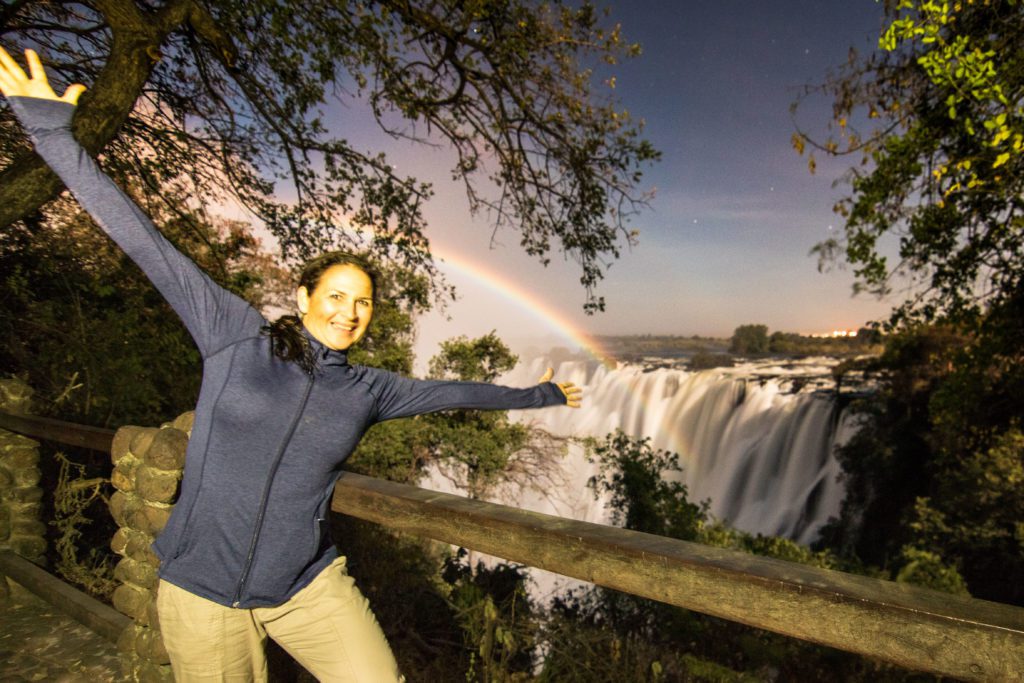
Livingstone, Zambia, is famous for Victoria Falls, thrilling adventure activities and unforgettable wildlife safaris. However, there is another experience that nature lovers should not overlook: birdwatching in Livingstone.
The Zambezi River, riverine forests, wetlands and surrounding woodlands provide habitats for a remarkable variety of birds. Whether you are an experienced birdwatcher carrying a checklist or a first-time visitor hoping to photograph colourful African birds, Livingstone offers opportunities to enjoy nature at a slower pace.
In this guide, discover where to look for birds, which species you may encounter, the best time to visit and how to include birdwatching in your Victoria Falls holiday.
Why Is Livingstone a Great Destination for Birdwatching?
Livingstone sits beside the Zambezi River, where different natural habitats support a diverse range of birdlife. Rivers and wetlands attract waterbirds, while trees and woodland areas provide shelter and feeding grounds for kingfishers, hornbills, weavers and many other species.
The wider region is also important for migratory birds that arrive during particular seasons. Local bird counts have documented species along the Zambezi and in nearby wetland habitats, highlighting the importance of these environments for resident and migratory birds.
Birdwatching is an excellent activity for travellers who want to:
- Experience Zambia’s biodiversity beyond its famous wildlife.
- Photograph birds in natural surroundings.
- Enjoy a peaceful outdoor activity away from busy tourist attractions.
- Combine nature observation with a Victoria Falls visit or wildlife safari.
- Learn about local ecosystems and the importance of conservation.
Best Places for Birdwatching in Livingstone
1. The Zambezi River
The Zambezi River is one of the most rewarding places to begin exploring birdlife around Livingstone. Its riverbanks, islands, reeds and overhanging vegetation provide feeding and resting areas for different bird species.
Depending on the location and season, keep an eye out for African fish eagles, kingfishers, herons, egrets and other water-associated birds.
A guided river excursion can offer opportunities to observe birds from the water. Choose a suitable, responsible operator and avoid disturbing nesting sites or birds feeding along the banks.
2. Mosi-oa-Tunya National Park
Mosi-oa-Tunya National Park is well known for wildlife viewing, including elephants, giraffes, zebras and white rhinos. It is also worth exploring for its birdlife.
The park’s riverine and woodland habitats support a range of bird species. A game drive with time dedicated to bird observation can provide a different perspective on the park, especially for travellers interested in both mammals and birds.
Ask your tour operator whether a bird-focused game drive or a slower-paced nature excursion can be arranged.
3. Wetlands and Waterbird Habitats
Wetlands around Livingstone are important habitats for waterbirds. Depending on the site, you may encounter African jacanas, sacred ibises, cattle egrets, herons and other birds that feed in shallow water or along muddy margins.
Some wetland locations are sensitive ecological areas, so access should be arranged responsibly. Avoid entering restricted areas or approaching nests, and respect local guidance.
4. Woodland and Riverbank Vegetation
You do not always need to visit a national park to enjoy birdwatching. Trees, shrubs and natural vegetation around suitable lodge grounds and riverine areas can attract smaller birds.
Look carefully for weavers building nests, sunbirds feeding on flowers, hornbills moving between trees and kingfishers watching for prey near the water.
Early morning is often particularly rewarding because birds are active and their calls are easier to hear before the heat of the day increases.
Birds to Look Out for Around Livingstone
Bird sightings vary with habitat, season and weather. The following are examples of species recorded in the wider Livingstone and Zambezi region; their presence is not guaranteed on any individual outing.
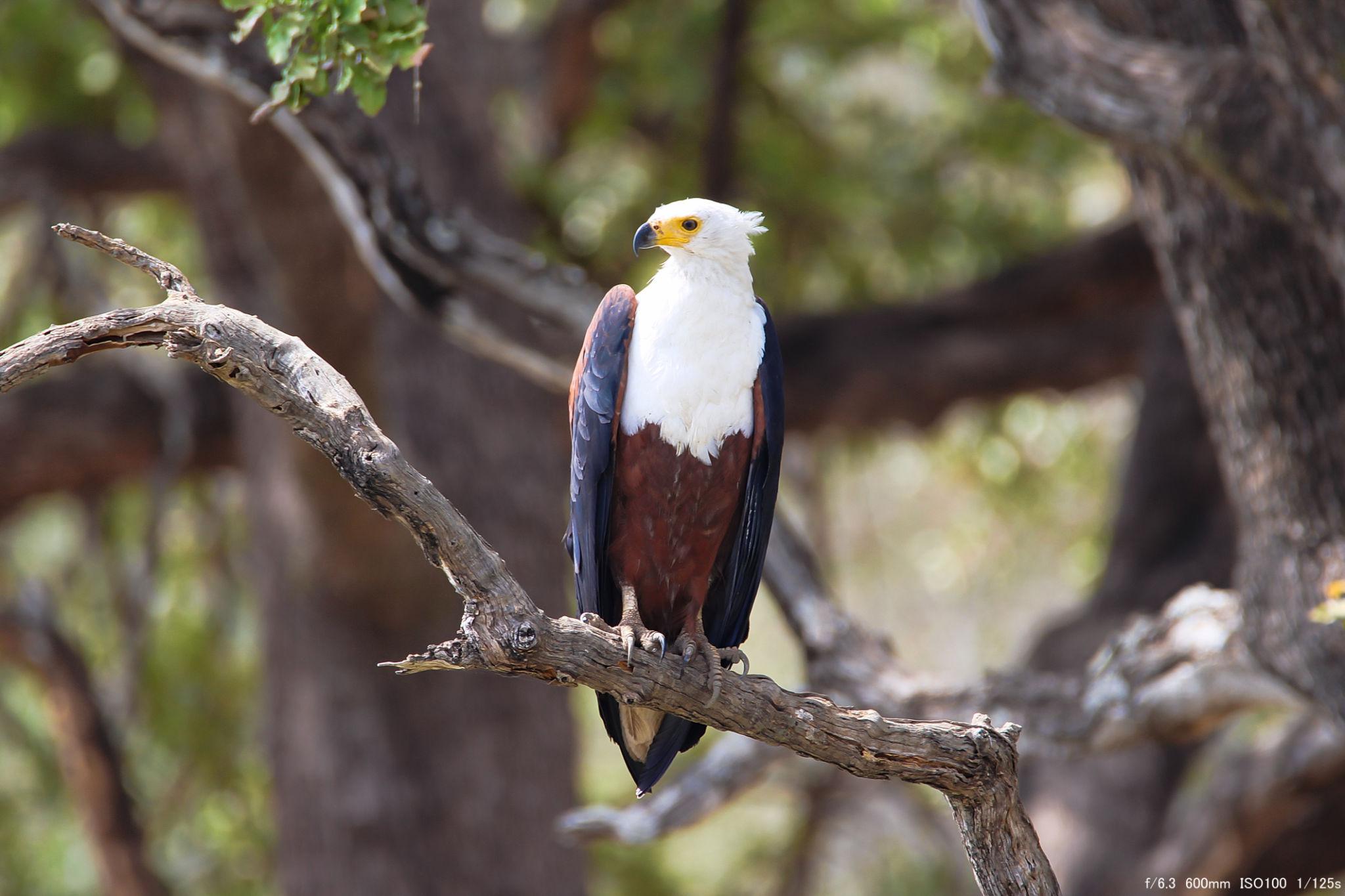
African Fish Eagle
The African fish eagle is one of the region’s most recognisable birds. Look for a large raptor perched near the river or soaring overhead. Its distinctive call is often heard around African waterways.
Kingfishers
Several kingfisher species occur in the region. These birds are known for their striking colours and hunting behaviour. Watch for one perched quietly over the water before diving to catch a fish or other prey.
Goliath Heron
The Goliath heron is a large wading bird that may be seen standing motionless in shallow water while searching for fish.
African Jacana
The African jacana is associated with wetlands and floating vegetation. Its long toes help it move across floating aquatic plants while searching for food.
African Finfoot
The African finfoot is a shy, specialised waterbird associated with vegetated riverbanks. It can be difficult to spot, so patience and a knowledgeable guide may improve your chances.
African Skimmer
The African skimmer is a distinctive bird that feeds by skimming the surface of the water with its lower bill. Sandbanks and exposed river islands can be important breeding habitats, making responsible viewing essential.
Southern Carmine Bee-eater
This colourful bird is a memorable sight for many birdwatchers. Seasonal movements and breeding activity can make particular parts of the wider Zambezi region especially interesting at certain times of the year.
Important: These are possible birdwatching highlights, not a guaranteed sightings list. If you have specific target species, tell your guide before the excursion.
When Is the Best Time for Birdwatching in Livingstone?
Birdwatching is possible throughout the year, but different seasons offer different advantages.
November to April: Migratory Bird Season
The warmer, wetter months can bring migratory species into the region. Many birds also become more vocal, and breeding plumage can make some species particularly attractive to photographers.
However, rain, lush vegetation and changing river conditions may affect visibility and access to some locations.
May to August: Cooler, Drier Conditions
The cooler dry season can offer comfortable conditions for early-morning outings. As vegetation changes, some birds may become easier to observe in certain habitats.
Bring a light jacket for early starts and comfortable clothing for walking.
September to October: Hotter Dry Season
Temperatures can become very high, so early starts are particularly important. Riverine habitats may remain rewarding, although local water levels and bird movements influence what you can see.
Which season should you choose? If your main goal is migratory bird diversity, consider the wetter months. If you prefer cooler mornings and combining birdwatching with general wildlife viewing, consider the cooler dry season. Actual sightings always depend on conditions.
Tips for a Successful Birdwatching Trip
You do not need expensive equipment to begin birdwatching. A little preparation can make your outing more enjoyable.
1. Carry binoculars. A good pair makes it easier to identify birds in trees, reeds and across the river.
2. Bring a camera if you enjoy photography. A zoom lens is helpful, but a phone camera can still capture memorable sightings when birds are close enough.
3. Start early. The first hours after sunrise are often productive for bird activity and are generally more comfortable than the hottest part of the day.
4. Wear neutral-coloured clothing. Avoid sudden movements and loud noises that may disturb wildlife.
5. Keep a bird checklist. Record the species you identify, where you saw them and the date. A local field guide or bird identification app can help.
6. Be patient. Some birds are conspicuous, while others remain hidden in vegetation. Listening to calls can be as useful as looking.
7. Respect wildlife. Never chase birds, touch nests, play recorded calls excessively or disturb breeding colonies for a photograph.
8. Ask for a bird-focused guide. If birdwatching is your main interest, explain this when booking. A general game drive may not allow enough time to search for particular species.
Can You Combine Birdwatching with Other Livingstone Activities?
Yes. Birdwatching can fit into a wider holiday without requiring an entire trip devoted to birds.
Birdwatching and a Victoria Falls Tour
Visit Victoria Falls and set aside additional time for bird observation in suitable nearby habitats. Conditions around the falls change seasonally, so bring protection for spray and keep cameras safe.
Birdwatching and a Wildlife Safari
Combine Bird observation with a Game drive in Mosi-oa-Tunya National Park. This option is ideal for travellers interested in both mammals and birds.
Birdwatching and a Zambezi River Cruise
A river cruise can provide a different perspective on birds along the water’s edge. If birdwatching is the priority, ask whether an early-morning or nature-focused outing is available; a sunset cruise may be designed primarily around scenery and the sunset.
Birdwatching and a Longer Zambia Safari
If you have several days in Zambia, you could combine Livingstone with other destinations known for their birdlife. The best itinerary depends on your travel dates, budget, target species and transport arrangements.
What Should You Pack?
For a comfortable birdwatching excursion, consider bringing:
- Binoculars.
- A camera or smartphone.
- A hat and sunscreen.
- Comfortable walking shoes.
- Drinking water.
- Lightweight, neutral-coloured clothing.
- Insect repellent appropriate for your destination.
- A bird checklist or identification app.
- A light waterproof layer during the rainy season.
Follow your guide’s advice about footwear, insects, heat and any park-specific requirements.
Plan a Birdwatching Experience with ZamWander Safaris
Discover another side of Livingstone with ZamWander Safaris. Alongside Victoria Falls tours, wildlife experiences, cultural excursions and Zambezi River activities, we can help you explore options for enjoying the region’s natural surroundings.
If birdwatching is your priority, mention your preferred species, travel dates and experience level when enquiring. This will help determine whether a suitable nature-focused excursion can be arranged.
Explore our tours and activities or visit our travel guide for more ideas when planning your trip.
Ready to explore Livingstone’s natural beauty? Contact ZamWander Safaris to discuss your itinerary and available experiences.
Frequently Asked Questions
Is Livingstone good for beginner birdwatchers?
Yes. You can begin by observing familiar birds along suitable riverbanks, around natural vegetation and during wildlife excursions. Binoculars and a guide can help you learn to identify different species.
Do I need a professional birdwatching guide?
Not necessarily, but a knowledgeable local guide can help identify birds by sight and sound, choose suitable habitats and explain seasonal changes.
Can I go birdwatching throughout the year?
Yes. Resident birds can be observed throughout the year, while migratory species and breeding activity make certain seasons especially interesting.
Can I take photographs of birds in Livingstone?
Yes, where access rules permit. Use a suitable zoom lens if available, avoid disturbing birds and never approach nests or breeding colonies for a photograph.
How long should I allow for birdwatching?
A short morning outing can provide a useful introduction. Dedicated birdwatchers may prefer a longer excursion or multiple outings across different habitats to improve their chances of seeing target species.
Is birdwatching suitable for families?
It can be a peaceful activity for families who enjoy nature. Choose an outing appropriate for the children’s ages, walking ability and attention span, and confirm any operator or site-specific requirements before booking.
What birds can I see near the Zambezi River?
Depending on the location and season, possibilities include African fish eagles, kingfishers, herons, egrets, African jacanas and other water-associated species. Sightings are never guaranteed.
Final Thoughts
Birdwatching in Livingstone offers a rewarding way to appreciate the natural world beyond Victoria Falls. From fish eagles over the Zambezi River to colourful kingfishers and birds hidden among riverbank vegetation, each outing offers something different.
Choose your travel season according to your interests, travel with respect for wildlife and allow time to observe rather than simply passing through. With the right preparation, birdwatching can become a memorable part of your Zambia holiday.