Victoria Falls is one of Africa’s most spectacular natural attractions and a dream destination for photography enthusiasts. Located on the Zambezi River along the border between Zambia and Zimbabwe, the waterfall offers dramatic scenery, powerful cascades, rainbows and lush surroundings that change throughout the year.
Whether you are travelling with a professional camera, a smartphone or a simple digital camera, photographing Victoria Falls can be an unforgettable experience.
However, the mist, changing water levels and strong sunlight can make photography challenging. Knowing when to visit, what equipment to bring and how to protect your camera can help you capture better photographs.
In this Victoria Falls photography guide, ZamWander Safaris shares practical tips to help you make the most of your photography experience in Livingstone, Zambia.
1. Understand the Best Time to Photograph Victoria Falls
The appearance of Victoria Falls changes throughout the year. Seasonal water levels influence the volume of water flowing over the edge, the amount of spray and how much of the rock face is visible.
High-water season
During the higher-water period, generally following the rainy season, the falls can become incredibly powerful. Heavy spray creates a dramatic atmosphere and can produce beautiful rainbows when the sunlight is right.
Photography advantages:
- Powerful cascades and dramatic scenes.
- Opportunities to capture rainbows in suitable conditions.
- Lush vegetation around the waterfall.
Challenges: Spray can cover your lens and make it difficult to see some sections of the falls clearly. Keep a dry cloth and camera protection close at hand.
Lower-water season
As the dry season progresses, water levels usually decline, although conditions differ between the Zambian and Zimbabwean sides.
Lower water levels can reveal more rock formations and individual cascades. Some viewpoints may offer clearer photographs because there is less spray.
Photography advantages:
- Better visibility in some areas.
- More opportunities to photograph exposed rock formations.
- Potentially easier lens management at less-sprayed viewpoints.
Challenges: Some sections, especially on the Zambian side, may have substantially reduced flow during the driest period.
What is the best month?
There is no single best month for every photographer. If you want dramatic water volume, consider visiting during or after the rainy season, depending on current conditions. If your priority is seeing rock formations and individual cascades, a period of lower water may suit you better.
Before travelling, check current waterfall conditions and confirm which viewpoints are accessible.
2. Explore the Best Photography Viewpoints
Choosing the right viewpoint is just as important as having a good camera. Each location offers a different perspective.
The Zambian side of Victoria Falls
The Zambian side is conveniently accessed from Livingstone and provides several viewpoints within the Victoria Falls visitor area.
Depending on water levels and access conditions, you may photograph cascades, the gorge, surrounding vegetation and rainbows created by sunlight passing through the mist.
Walk slowly and pay attention to designated paths, railings and safety instructions. Wet surfaces can be slippery.
The Zimbabwean side of Victoria Falls
The Zimbabwean side offers a different range of viewpoints, including broad panoramas of sections of the waterfall that may be difficult to see from Zambia alone.
Photographers visiting both sides can build a more varied collection of images. Remember to check border-entry requirements, visa arrangements and park fees before planning a cross-border visit.
Viewpoints around the rainforest
The rainforest surrounding the waterfall provides opportunities for photographs that combine vegetation, mist and flowing water.
Try composing your image with leaves or branches in the foreground to create depth. On humid days, wipe your lens regularly to prevent water droplets from softening your photographs.
The gorge and bridge area
The surrounding gorge provides a sense of the scale and geological power of the Zambezi River.
Photograph only from authorised viewpoints, and never climb barriers or lean over railings to obtain a more dramatic angle.
3. The Best Camera Settings for Victoria Falls
You do not need to be a professional photographer to take impressive pictures. Start with simple settings and adjust according to the available light.
For sharp waterfall photographs
If you want to show the texture and detail of flowing water, use a relatively fast shutter speed.
Suggested starting point:
- Shutter speed: 1/250 second or faster.
- Aperture: around f/5.6 to f/8, depending on your lens and light.
- ISO: as low as practical while maintaining a sharp image.
These are starting points rather than fixed rules. Adjust them according to brightness, lens capability and whether you are photographing moving water or the surrounding scenery.
For silky, flowing water
A slower shutter speed can make water appear smooth and silky.
Try shutter speeds around 1/4 second to several seconds, depending on the effect you want. A tripod can help where it is permitted and safe to use one.
Bright daylight may require a neutral-density filter to avoid overexposure during long exposures. Do not place a tripod where it obstructs other visitors or creates a safety hazard.
For rainbows
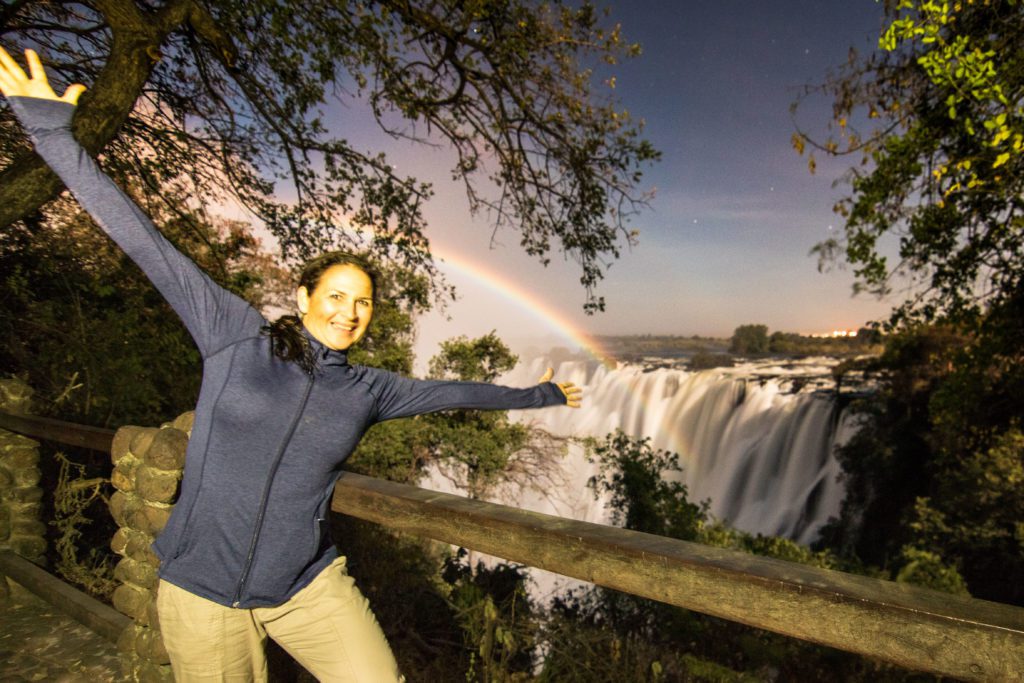
Rainbows are most likely when sunlight and water droplets meet at the right angle.
Use a moderate aperture and check your exposure carefully. If your camera allows exposure compensation, try a small adjustment when the waterfall or bright mist appears washed out.
Rainbows are not guaranteed, so remain flexible and enjoy the scenery while waiting for suitable conditions.
For smartphone photography
Modern smartphones can capture excellent travel photographs.
- Clean your lens before taking pictures.
- Use the main camera for the best general-purpose results.
- Avoid excessive digital zoom.
- Tap the waterfall or main subject to set focus.
- Adjust exposure if bright mist makes the image too white.
- Take several photographs from different angles.
- Keep your phone protected from spray and moisture.
If your phone offers a manual or professional mode, experiment with shutter speed and ISO when conditions allow.
4. Protect Your Camera from Water and Mist
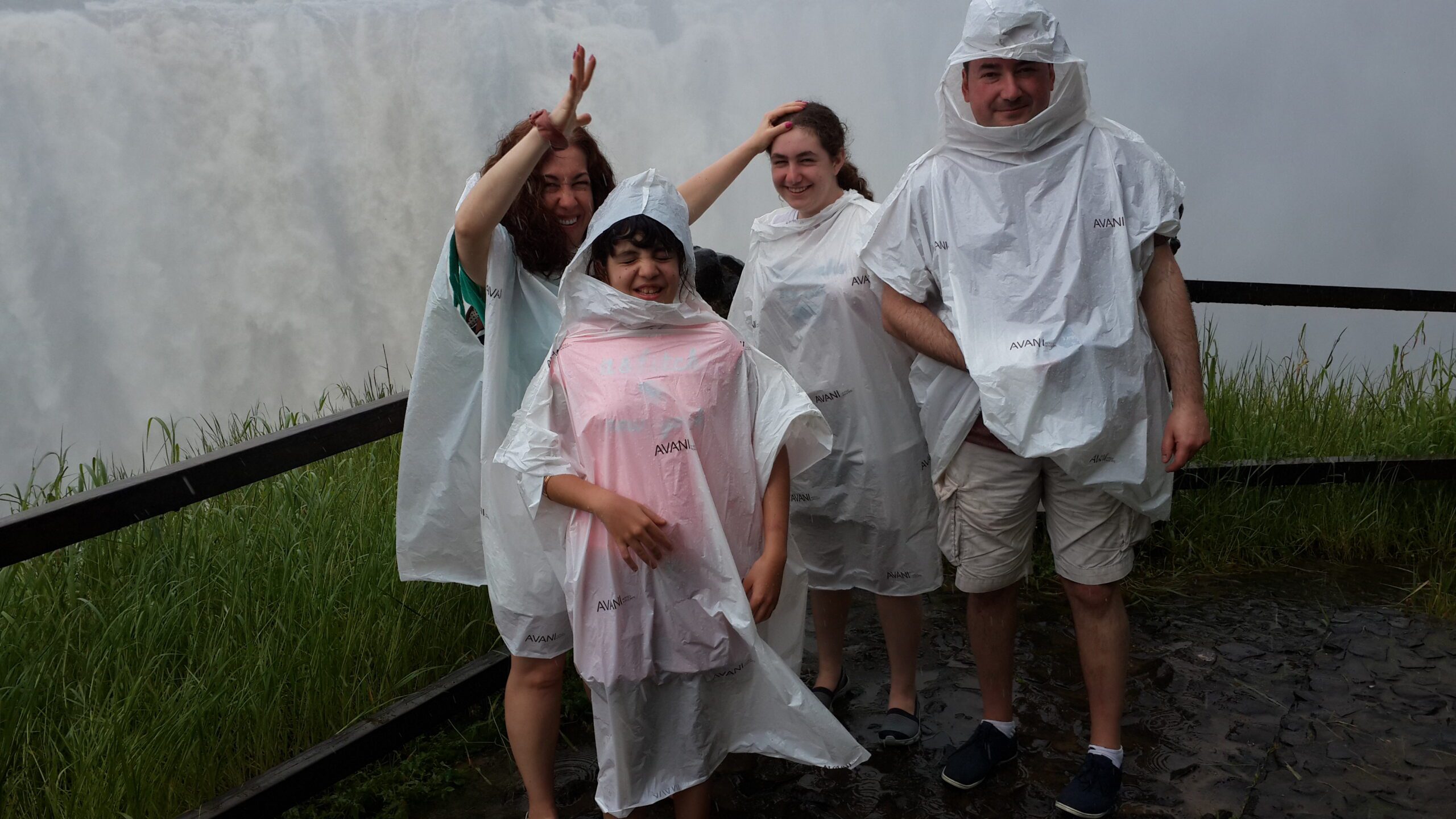
One of the biggest photography challenges at Victoria Falls is moisture. Even when it is not raining, wind can carry spray across viewpoints.
Follow these practical precautions:
Use a waterproof camera cover. A suitable cover helps protect your equipment from unexpected spray.
Carry a microfibre cloth. Use it to remove water droplets from the lens gently.
Use a lens hood where suitable. It can help reduce stray light and may provide limited protection from droplets arriving from the front.
Keep spare equipment dry. Store batteries, memory cards and accessories in a sealed protective bag.
Avoid changing lenses in heavy spray. Moisture can enter the camera body when the lens is removed.
Let equipment dry gradually. After leaving a humid environment, follow the manufacturer’s care instructions and avoid exposing cold equipment suddenly to warm, humid air.
Never assume a camera is waterproof simply because it is described as weather-resistant.
5. Photograph More Than Just the Waterfall
Victoria Falls is the main attraction, but your photo collection will be more interesting if you capture a variety of subjects.
Capture the landscape
Take wide photographs that show the waterfall in its wider environment. Include vegetation, the gorge or other natural features where possible.
Look for rainbows
When conditions are favourable, rainbows can add colour and atmosphere. Try different compositions instead of taking every picture from the same position.
Photograph the Zambezi River
The river provides opportunities for landscape photographs, reflections and scenes of changing light.
A suitable river cruise may offer a different perspective on the surrounding scenery. Follow your operator’s instructions and protect your equipment from splashes.
Include people for scale
A person photographed from a safe, authorised viewpoint can help communicate the immense scale of the waterfall.
Always respect other visitors’ privacy and obtain permission before taking identifiable close-up photographs of strangers.
Explore Livingstone’s natural surroundings
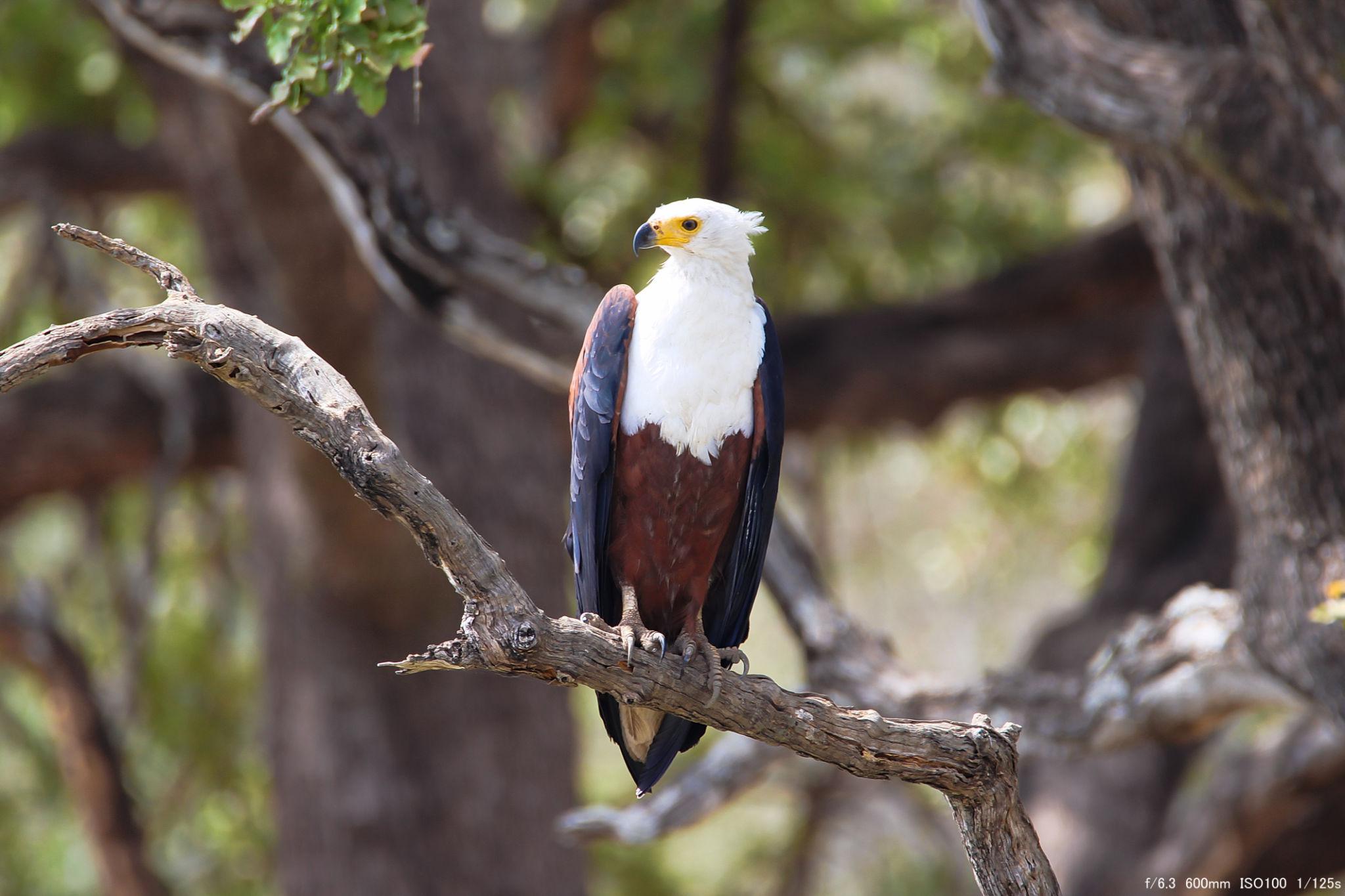
If time allows, include a wildlife or nature experience in your itinerary. A visit to Mosi-oa-Tunya National Park, for example, can provide opportunities to photograph wildlife in natural surroundings.
Wildlife photography requires patience. Keep a respectful distance from animals and never ask a guide to approach dangerously close for a better photograph.
6. Common Photography Mistakes to Avoid
Even experienced photographers can struggle with the conditions around Victoria Falls.
- Taking only wide-angle shots: Include close details and different compositions for a more varied collection.
- Ignoring lens moisture: Check your lens regularly, especially in heavy spray.
- Overexposing the mist: Review highlights and adjust exposure where necessary.
- Using too much digital zoom: Move to an authorised viewpoint with a better angle instead.
- Forgetting spare batteries: Humidity and frequent photo-taking can make preparation important.
- Ignoring safety barriers: No photograph is worth risking a fall or entering a restricted area.
- Planning without checking water levels: Conditions can change substantially between seasons and between the two sides of the falls.
7. Plan a Victoria Falls Photography Trip from Livingstone
Livingstone is an excellent base for visitors who want to photograph Victoria Falls and explore the surrounding region.
You can organise your trip around a guided Victoria Falls tour, then add other experiences according to your interests and available time.
Consider this simple photography itinerary:
Day 1: Victoria Falls photography
Visit the waterfall during the best available light and spend time exploring several authorised viewpoints. Allow time for changing weather and water conditions.
Day 2: River and landscape photography
Consider a Zambezi River cruise or another suitable nature experience. Confirm photography conditions and any restrictions with your operator before booking.
Day 3: Wildlife photography
Explore a wildlife experience in or around Livingstone, such as a suitable Game Drive. Bring the appropriate lens and follow your guide’s safety instructions.
If you wish to photograph both sides of Victoria Falls, allow additional time for border formalities and entry requirements.
ZamWander Safaris offers tours and activities in Livingstone that can help visitors build a wider Victoria Falls itinerary. Explore the available options on our tours and activities page.
Frequently Asked Questions
Can I photograph Victoria Falls with a smartphone?
Yes. A smartphone can produce excellent travel photographs. Keep the lens clean, protect the device from moisture and experiment with different viewpoints and exposure settings.
Is a professional camera necessary?
No. A professional camera offers more control, but good composition, suitable light and preparation are often more important than expensive equipment.
When is the best time of day for photography?
Early morning and later afternoon can provide softer light, depending on weather and viewpoint conditions. However, the best time also depends on spray, cloud cover and the direction of sunlight.
Can I use a tripod at Victoria Falls?
Tripod use depends on the specific viewpoint, access rules, crowd levels and safety conditions. Check local rules and avoid blocking pathways or creating hazards.
Is the Zambian or Zimbabwean side better for photography?
Both offer different perspectives. The best choice depends on water levels, which sections you want to photograph, visibility and your travel arrangements. Visiting both sides can provide a broader photographic collection if time and entry requirements permit.
How can I keep my camera dry?
Use appropriate protective covers, keep a microfibre cloth accessible and store spare equipment in a dry bag. Follow your camera manufacturer’s moisture-care guidance.
Conclusion
Photographing Victoria Falls is about more than owning the right camera. It is about understanding seasonal conditions, choosing suitable viewpoints, working with available light and respecting the powerful natural environment.
Whether you want dramatic images of the waterfall, rainbows in the mist or wildlife photographs around Livingstone, preparation will help you make the most of your visit.
Plan your experience, check current conditions and explore Livingstone with ZamWander Safaris to make your Victoria Falls holiday memorable.